Frequently Asked QuestionsEvery family meets with the Finance committee to determine a yearly pledge that is appropriate for the family. There is a minimum pledge. We arrived at this number because we believe that a motivated student can easily earn enough money in a summer to pay their way. Every year some students pay all or some of their way. At the upper end, the sky’s the limit! We encourage any family that can pay more than the cost per student to do so, enabling families who can’t pay the full amount to attend. There are also occasional field trips and course expenses (e.g., Photography, Foods and Nutrition) that require nominal additional fees.
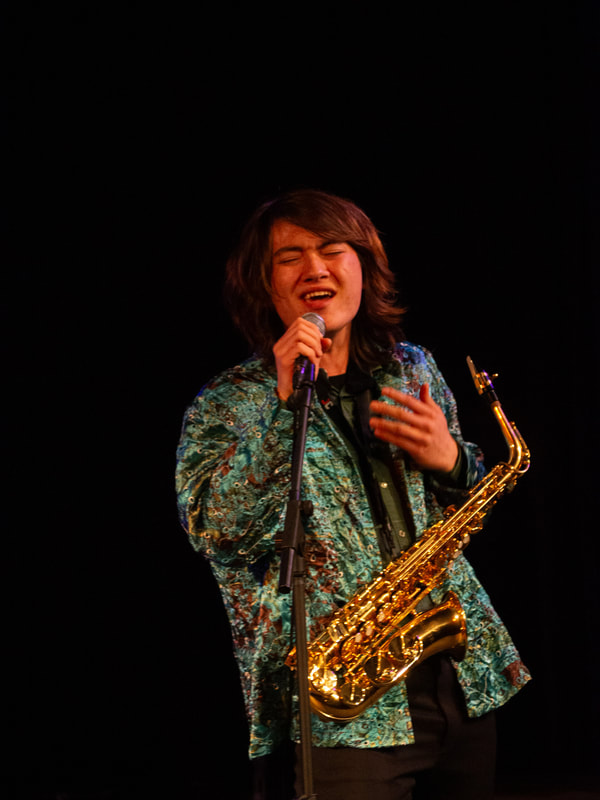
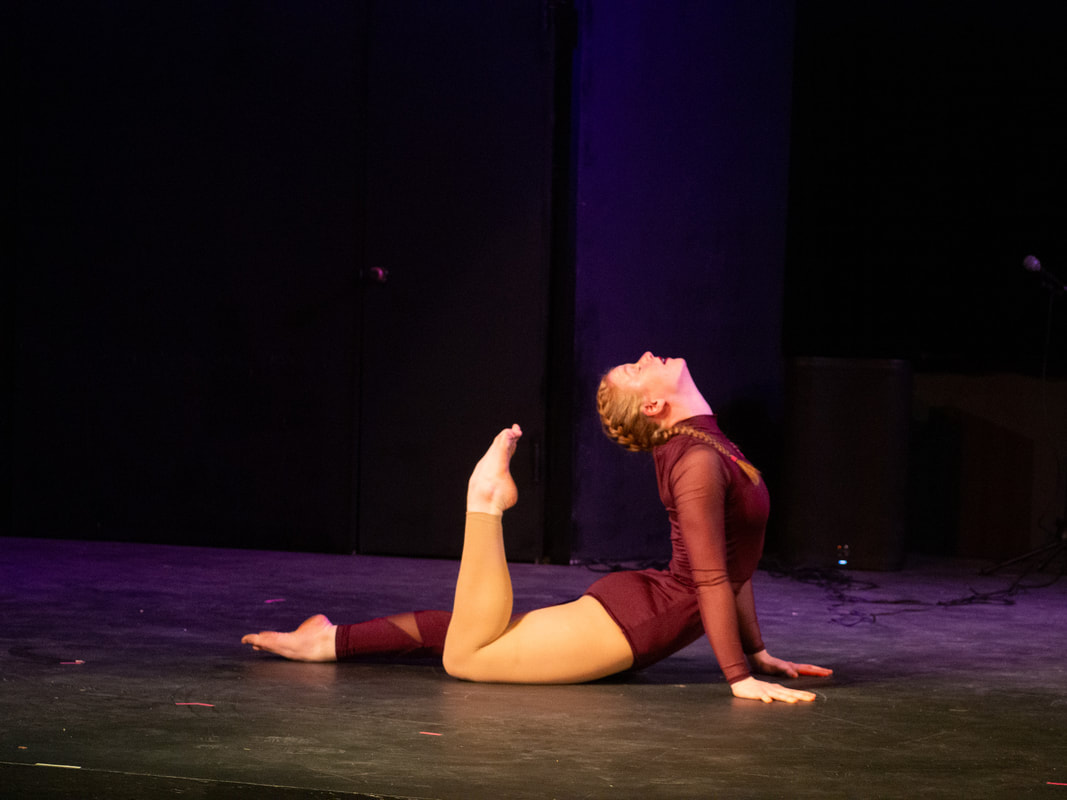
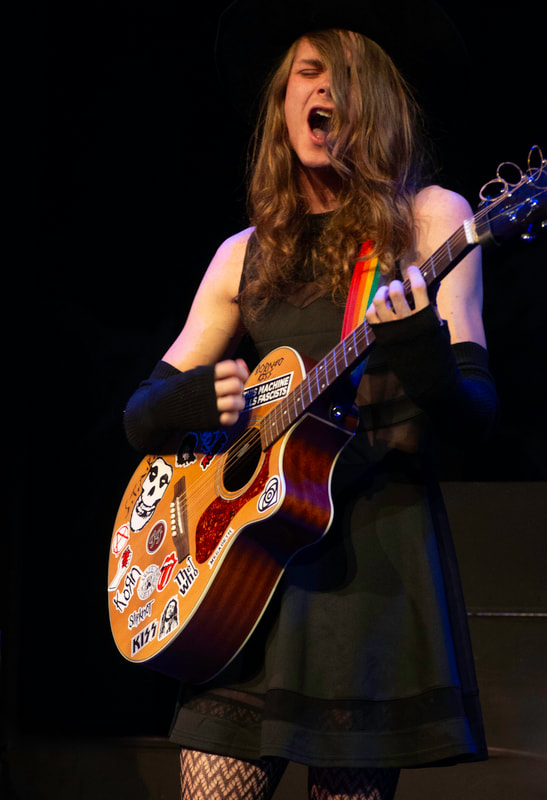
WHEN IS THE APPLICATION DEADLINE? In order to make financial and pedagogical decisions we need applications by February 15th. WHAT DOES YOUR CREDIT SYSTEM LOOK LIKE? Our credit system assigns credit value to each class and minimum credit limits for graduation. Our requirements align with requirements of most universities, including the University of Wisconsin. Students who take a full course of study at YIHS have many options to pursue independent studies, internships and exchanges while still meeting the basic credit requirements. Our credit system maintains a balance of arts, sciences, and humanities while also valuing unique aspects of our curriculum like service hours and expeditions. HOW MANY STUDENTS ARE IN THE SCHOOL? Generally between 60 and 70 each year. We limit class size to 18 full time students per grade level. WHAT IS THE STUDENT TO TEACHER RATIO? We have 6 full-time faculty and about 30 part-time faculty, who may teach several blocks or a path class. We limit each grade to 18 students, and most elective classes run much smaller. WHAT KINDS OF ART CLASSES ARE OFFERED? YIHS offers a wide variety of required and elective art courses. Freshman and new students are required to take Intro to 2D and 3D, which are prerequisites for all other art courses. After that the student is given a variety of choices in Visual Arts, such as Drama, Painting, Drawing, Photography, and Sculpture ; in Manual Arts, such as Handwork, Carpentry, Auto Mechanics, Woodcarving, and Metal Bowls ; in Performing Arts, such as the Spring Play, Set-Design, Costume Design, Play-writing, and Circus Arts. DO YOU HAVE MOVEMENT CLASSES? Our students love to move and it's a requirement at YIHS. We offer five movement classes every trimester including but not limited to strength training, dance, yoga, archery, martial arts, and games. WHAT’S IN YOUR SCIENCE PROGRAM? Our Science program offers instruction in theoretical foundations and hands-on, experiential learning. We have a full cycle of biology, chemistry and physics along with other offerings such as astronomy, genetics, meteorology, and water cycle. WHAT’S IN YOUR MUSIC PROGRAM? Music students have many choices: guitar, rock band, solo & ensemble, songwriting and music theory. All music classes put on occasional performances throughout the year. WHY ARE THERE NO LETTER GRADES? YIHS believes learning should not be a competition and that knowledge is its own reward. Youth Initiative does not use letter grades nor does it rank students in any way. Youth Initiative faculty provide weekly and final narrative evaluations for each student for each class. These final evaluations are recorded in the student’s transcript, along with a “grade” of pass or fail. We believe that narrative evaluations are a more thorough and accurate representation of a student’s performance. And colleges agree; we have gotten positive feedback about our transcripts from a number of post-secondary institutions. IS YIHS ACCREDITED? YIHS is registered with the State of Wisconsin as a Non-Public School. In addition, we are a Developing Member of AWSNA, the national organization of Waldorf schools. We offer a high school diploma and our students are able to attend colleges of their choice. DO GRADUATES GO TO COLLEGE? Of the over 150 graduates of YIHS, some have gone on to prestigious universities, small liberal arts colleges, and foreign travel; some have also gone on to start their own business, farm organically, work in the media, work in Washington D.C. and start families. Some YIHS alumni have pursued advanced degrees in law, social sciences, public policy architecture and nursing. Several have returned to Viroqua and have taught at Youth Initiative. WHAT SPORTS DOES YOUTH INITIATIVE OFFER? YIHS has its own WIAA girls volleyball team. Our relationship with Viroqua High School allows students to participate in varsity football, tennis, cross-country, and basketball. In addition YIHS students and parents were instrumental in establishing Driftless United Athletics, sponsors of a co-ed intramural soccer team, and our students participate in an intramural basketball league. IS YIHS THE SAME THING AS PLEASANT RIDGE WALDORF SCHOOL? The short answer is no, but the two schools, although distinct financial and administrative entities, do share a pedagogical philosophy and many individuals are or have been associated with both schools. Both Youth Initiative and Pleasant Ridge follow the guidelines of Waldorf education, which respect students as whole beings that think, feel and act. However, Waldorf education changes with the age of the children, subject matter and teaching style are developmentally appropriate. Thus, high school teachers don’t teach in the same manner as elementary teachers. In high school, the intellect of the students is the focus of development: the YIHS curriculum aims to inspire critical and creative thinking in students. Each year several students attend YIHS who did not attend Waldorf grade school. WHAT DOES YOUR KALEIDOSCOPIC EMBLEM SYMBOLIZE? Our logo is an image of a stained glass window that was produced by YIHS students as a fundraising project in the early years of the school. It is currently installed in the St. Joseph’s Ridge Catholic Church, about 20 miles from Viroqua. It is a great example of the work our students do to help fund their school and enrich the community—artistic, cooperative, beautiful. WHAT’S YOUR MASCOT? Our mascot is the goat. The goat is a symbol of resourcefulness, tenacity, and good-natured chicanery. It also represents our connection to small-scale, local agriculture. Click to set custom HTML
|
|
Copyright © 2023 Youth Initiative High School | 500 E. Jefferson St, Viroqua WI 54665 | (608) 637-6445